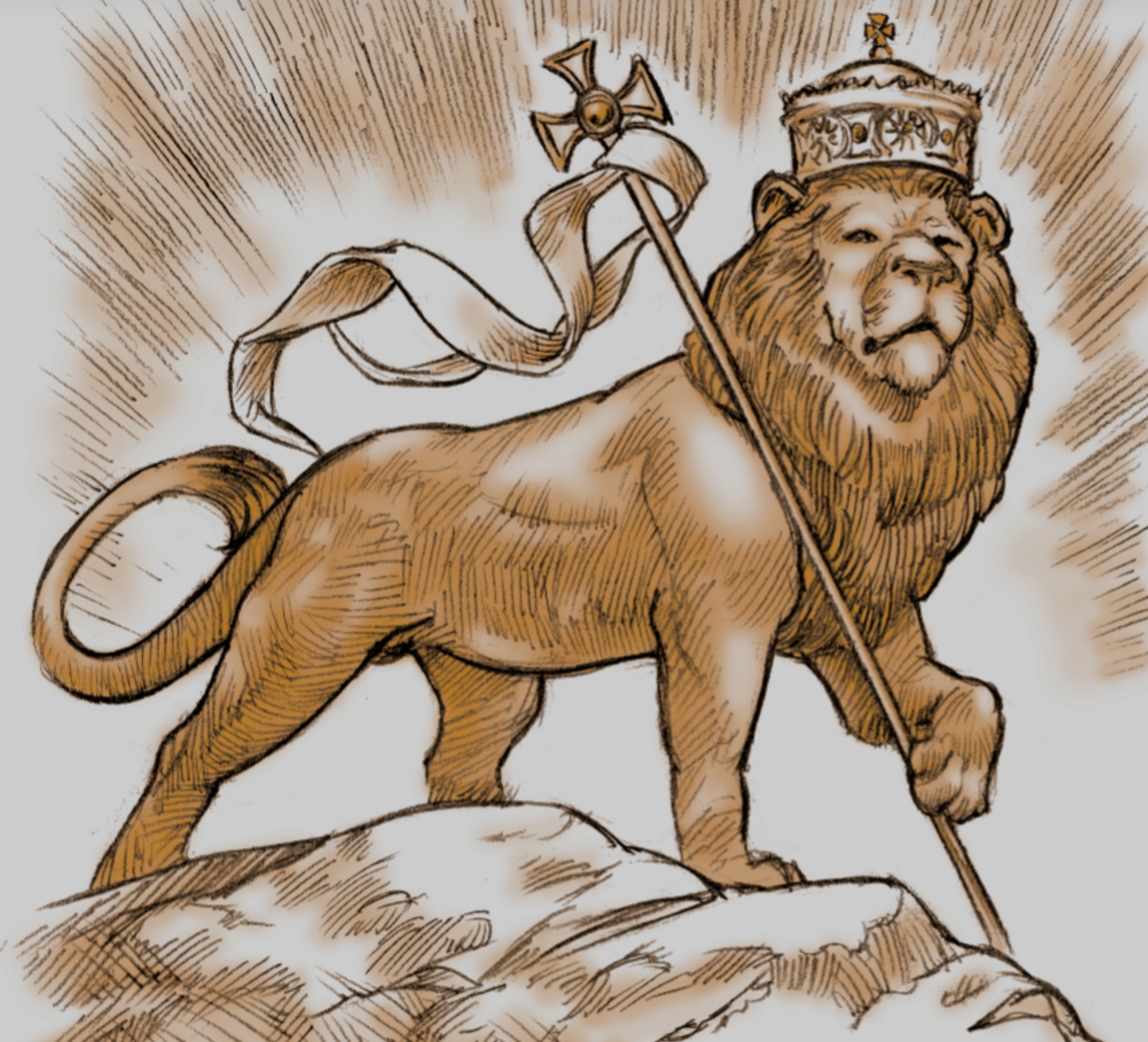
STRONGER THAN DEATH

“Love is as strong as death…” (Song of Songs 8:6)

Death is often seen as the final limit: it interrupts a life, silences a voice, and leaves broken hearts behind.
For many, it seems like a solution—whether to punish, take revenge, or end suffering. Yet death solves nothing.
It cuts off a life, but heals no wounds; it silences a voice, but erases neither anger, nor pain, nor the past.

The Bible never presents death as a valid human answer, because it changes nothing at the root.
The one who takes another’s life does not eliminate evil—he spreads it.
A single act of violence can destroy families, create lasting resentment, and even mark generations.
Death adds pain to pain and leaves the living without peace.

Love, on the other hand, accomplishes what death is powerless to do. Where death cuts, love reconciles; where death forces, love transforms.
A sincere forgiveness can stop a revenge that death would only prolong.
A gentle word can soften a heart that fear would have hardened. Many times, a single act of love has prevented an entire community from falling into a cycle of hatred.
That is why Jesus teaches: “Love your enemies” (Matthew 5:44)—not to excuse evil, but to prevent it from multiplying.

God protects life because it comes from Him. The command “You shall not kill” (Exodus 20:13) is not merely a moral rule, but a divine statement: life has a value that nothing can replace. Even the one who has done wrong can still be transformed, for God says, “I take no pleasure in the death of anyone who dies” (Ezekiel 18:32). If God chose death as the solution, no one would be saved.

Death closes a destiny; love opens a future. Death puts a final point; love gives a second chance. Jesus expressed it clearly: “I have come that they may have life” (John 10:10). This means that God does not seek to eliminate but to restore—not to punish by destroying, but to save by lifting up. Even when a person reaches the end, God does not choose the finish—He offers a new beginning.

This is why love is stronger than death:
death ends a life, but love changes it.
Death cuts, but love heals.
Death destroys, but love rebuilds.
What death stops outwardly, love can transform inwardly.

When we choose love instead of hatred, life instead of destruction, we enter God’s way of thinking—the way that gives a future instead of imposing an end. And this is how God’s word becomes reality: death does not have the last word, because love is greater than death.

PRAYER:
Lord, teach me to choose love instead of revenge, life instead of death, and peace instead of hatred.
Heal wounded hearts, comfort those who suffer, and make me an instrument of reconciliation.
In Jesus’ name,
Amen.

Apostle Dr Jean-Claude SINDAYIGAYA

PLUS FORT QUE LA MORT

«L’amour est fort comme la mort…» Cantique des cantiques 8:6

La mort est souvent perçue comme la limite ultime: elle interrompt une vie, réduit au silence, et laisse derrière elle des cœurs brisés.
Pour beaucoup, elle semble être une solution — pour punir, se venger, ou mettre fin à une souffrance. Pourtant, la mort ne résout rien.
Elle coupe une existence, mais ne guérit aucune blessure ; elle fait taire une voix, mais n’efface ni la colère, ni la douleur, ni le passé.

La Bible ne présente jamais la mort comme une réponse humaine valable, car elle ne change rien en profondeur. Celui qui ôte la vie d’un autre ne supprime pas le mal : il l’étend.
La violence d’un seul acte peut engendrer des familles détruites, des rancœurs durables, et parfois des générations marquées. La mort ajoute de la douleur à la douleur, et laisse des vivants sans paix.

L’amour, au contraire, accomplit ce que la mort est incapable de faire. Là où la mort coupe, l’amour réconcilie ; là où la mort impose, l’amour transforme. Un pardon sincère peut arrêter une vengeance que la mort aurait prolongée. Une parole de bonté peut changer un cœur que la peur n’aurait fait que durcir. Souvent, un seul geste d’amour a empêché une communauté entière de basculer dans un cycle de haine. C’est pourquoi Jésus enseigne : «Aimez vos ennemis» (Matthieu 5:44). Non pour excuser le mal, mais pour empêcher qu’il se multiplie.

Dieu protège la vie parce qu’elle vient de Lui. Le commandement «Tu ne tueras point» (Exode 20:13) n’est pas une simple règle morale, mais une affirmation divine: la vie a une valeur que rien ne peut remplacer. Même celui qui a fait le mal peut encore être transformé, car Dieu dit: «Je ne prends point plaisir à la mort de celui qui meurt» (Ézéchiel 18:32).
Si Dieu choisissait la mort comme solution, personne ne serait sauvé.

La mort ferme un destin; l’amour ouvre un avenir.
La mort met un point final; l’amour donne une seconde chance. Jésus l’a exprimé simplement: «Je suis venu afin qu’ils aient la vie» (Jean 10:10).
Cela signifie que Dieu ne cherche pas à éliminer, mais à restaurer; non à punir en détruisant, mais à sauver en relevant.
Même lorsque l’être humain arrive au bout, Dieu ne choisit pas la fin — Il propose un nouveau commencement.

Voilà pourquoi l’amour est plus fort que la mort:
la mort met fin à une existence, mais l’amour change une vie.
La mort coupe, mais l’amour guérit.
La mort détruit, mais l’amour reconstruit.
Ce que la mort arrête extérieurement, l’amour peut le transformer intérieurement.

Lorsque nous choisissons l’amour plutôt que la haine, la vie plutôt que la destruction, nous entrons dans la logique de Dieu — celle qui donne l’avenir au lieu d’imposer la fin. Et c’est ainsi que la parole de Dieu devient réalité: la mort n’a pas le dernier mot, parce que l’amour est plus grand qu’elle.

PRIÈRE:
Seigneur, apprends-moi à choisir l’amour plutôt que la vengeance, la vie plutôt que la mort, et la paix plutôt que la haine.
Guéris les cœurs blessés,
console ceux qui souffrent,
et fais de moi un instrument de réconciliation.
Au nom de Jésus, Amen.

Apôtre Dr Jean-Claude SINDAYIGAYA

IKIRUTA URUPFU

«Urukundo rukomeye nk’urupfu…» (Indirimbo ya Salomo 8:6)

Urupfu akenshi rufatwa nk’impera ya byose: ruhagarika ubuzima, ruca ijwi, rugasiga imitima imenetse.
Abantu benshi barwumva nk’igisubizo—cyaba icyo guhana, kwihorera cyangwa guhagarika ububabare.
Ariko urupfu ntirukemura ikibazo na kimwe.
Ruca ubuzima, ariko ntirukiza ibikomere; ruca ijwi, ariko ntiruhanagura uburakari, agahinda cyangwa amateka.

Bibiriya ntivuga urupfu nk’igisubizo cy’abantu, kuko nta kintu ruhindura mu mizi.
Uhagarika ubuzima bw’undi nturandura ikibi—uragikwirakwiza.
Igikorwa kimwe cy’urugomo gishobora gusenya imiryango, gutera inzangano z’igihe kirekire, ndetse no guhangirikira mu bisekuru. Urupfu rwongera agahinda ku gahinda, rugasiga abariho badafite amahoro.

Ariko urukundo rukora ibyo urupfu rudashobora gukora. Aho urupfu ruca, urukundo rurunga; aho urupfu rutegeka, urukundo rurahindura.
Kubabarira bivuye mu mutima bishobora guhagarika kwihorera urupfu rwari gukomeza.
Ijambo ry’ubugwaneza rishobora guhindura umutima ubwoba bwari gukomezamo.
Kandi kenshi igikorwa kimwe cy’urukundo kirabuza umuryango cyangwa imiryango kugwa mu mwuka w’urwango.
Ni yo mpamvu Yesu avuga ati: «Mukunde abanzi banyu» (Matayo 5:44)—atari ukugira ngo ikibi gihishwe, ahubwo kugira ngo kitarushaho kwiyongera.

Imana irinda ubuzima kuko buva kuri Yo. Itegeko rigira riti: «Ntukice» (Kuva 20:13) si ihame ry’imyitwarire gusa, ahubwo ni itangazo ry’Imana: ubuzima bufite agaciro ntacyo bwasimbuzwa.
N’uwakoze ikibi arashobora guhinduka, kuko Imana ivuga iti: «Erega sinishimira ugiye gupfa ko yapfa» (Ezekiyeli 18:32).
Iyaba Imana yahisemo urupfu nk’umuti, nta n’umwe wari kurusimbuka.

Urupfu rufunga urugendo; urukundo rufungura ejo hazaza. Urupfu rushyiraho iherezo; urukundo ruduha andi mahirwe. Yesu yaravuze ati: «Nazanywe no kugira ngo zibone ubugingo» (Yohana 10:10).
Bishatse kuvuga ko Imana itaza kwirukana no kurimbura, ahubwo kuzahura; si uguhanira mu kurimbura, ahubwo ni gukiza mu kuzamura.
N’iyo umuntu ageze ku mpera, Imana ntiyemeza iherezo, yemeza itangiriro rishya.

Ni yo mpamvu urukundo ruruta urupfu:
urupfu ruhagarika ubuzima, ariko urukundo ruraruhindura.
Urupfu ruraca, ariko urukundo rurunga rugakiza.
Urupfu rurasenya, ariko urukundo rurubaka.
Icyo urupfu ruhagarika inyuma, urukundo ruragihindura imbere.

Iyo duhisemo urukundo aho urwango, ubuzima aho gusenya, twinjira mu bitekerezo by’Imana—ibiduhaho ejo hazaza aho kutwohereza ku iherezo.
Ni bwo ijambo ry’Imana riba impamo: urupfu ntirufite ijambo rya nyuma, kuko urukundo rururusha imbaraga.

ISENGESHO:
Mwami, nshyira mu nzira yo guhitamo urukundo aho kwihorera, ubuzima aho urupfu,
amahoro aho urwango.
Kiza imitima ikomeretse,
uhumurize abababaye,
kandi ungire intumwa y’ubwiyunge.
Mu izina rya Yesu, Amen.

Intumwa Dr Jean-Claude SINDAYIGAYA

IKIRUTA URUPFU

«Urukundo rufise inkomezi nk’urupfu…» (Indirimbo ya Salomo 8:6)

Urupfu akenshi rufatwa nk’iherezo ryose: ruhagarika ubuzima, rutuma abantu babura ico bavuga, rugasiga imitima imenaguritse.
Abantu benshi barwibaza nk’umuti—wo guhana, kwihora canke kwivura umubabaro.
Ariko urupfu ntirukemura na kimwe. Ruhagarika ubuzima, ariko ntirukiza ibikomere; ruracecekesha umuntu, ariko ntiruhanagura ishavu, ububabare canke kahise k’umuntu.

Bibiliya ntivuga urupfu nk’inyishu y’abantu, kuko rutagira ico ruhindura ku mutima.
Uwatse ubuzima uwundi ntaba aranduye ikibi, ahubwo aba agikwiragije.
Igikorwa kimwe c’ubugizi bwa nabi gishobora gusenyura imiryango, kuvyara inzankano z’ibihe vyose, mbere kigakwega n’ihorihori.
Urupfu rwongera ububabare ku bundi, rugasiga ababuze mu buzima butagira amahoro.

Ariko urukundo rukora ico urupfu rudashobora gukora.
Aho urupfu ruca, urukundo rwo rurahuza; aho urupfu rutegeka, urukundo rwo rurahindura. Kubabarira biturutse mu mutima bishobora guhagarika ukwihora urupfu rwari gutuma kubandanya.
Ijambo ryiza rihumuriza rirashobora guhindura umutima ubwoba bwari kwiberamwo.
Kandi kenshi igikorwa kimwe c’urukundo kirakingira abantu kugwa mu mwuka w’urwanko.
Ni co gituma Yesu avuga ati:
«Mukunde abansi banyu» (Matayo 5:44)— s’ukugira ngo ikibi cihozwe, ahubwo ni kugira ngo nticiyongere ngo gisasagare mu bantu.

Imana irakingira ubuzima kuko buva kuri Yo.
Ibwirizwa rivuga ngo: «Ntikice» (Kuvayo 20:13) si iry’amategeko gusa, ahubwo n’ijambo ry’Imana: ubuzima bufise agaciro atakindi gishobora gusubirira.
N’uwakoze ikibi arashobora guhinduka, kuko Imana ivuga iti: «Erega simpimbarwa n’urupfu rw’upfuye» (Ezekiyeli 18:32).
Iyaba Imana yahitamwo urupfu nk’umuti (inyishu), nta muntu n’umwe yorusimba.

Urupfu ruhagarika urugendo; ariko urukundo rwugurura kazoza.
Urupfu rushiraho iherezo ku buzima; ariko urukundo ruduha amahirwe ya kabiri.
Yesu yavuze ati:
«Nazanywe no kugira ngo zironke ubugingo» (Yohani 10:10). Bisigura ko Imana itaza gufuta abantu, ahubwo kubagarurira ubuzima; s’uguhana mu kubatikiza, ahubwo n’ugukiza mu kubashira hejuru.
N’iyo umuntu ageze kw’iherezo, Imana imuhitiramwo gutangura ubuzima bushasha.

Ni yo mpamvu urukundo ruruta urupfu: urupfu ruhagarika ubuzima, ariko urukundo ruhindura ubuzima.
Urupfu ruca, ariko urukundo rurakiza.
Urupfu rurasenyura, ariko urukundo rurubaka.
Ico urupfu ruhagarika hanze, urukundo ruragihindura mu mutima.

Iyo duhisemwo urukundo aho guhitamwo urwanko, ubuzima aho guhitamwo gusenyura, tuba twinjiye mu buryo bw’Imana—uburyo butanga kazoza aho gushiraho iherezo.
Ni ho ijambo ry’Imana riba iry’ukuri: urupfu ntirufise ijambo rya nyuma, kuko urukundo ruraruruta.

IGISABISHO:
Mwami,nyigisha guhitamwo urukundo aho kwihora,
ubuzima aho guhitamwo urupfu,
amahoro aho guhitamwo urwanko.
Kiza imitima ikomeretse,
uremeshe abababaye,
kandi ungire igikoresho c’uguhuza abantu.
Mw’izina rya Yesu, Amen.

Intumwa Dr Jean-Claude SINDAYIGAYA

EACH PERSON HAS THE PATH THAT GOD HAS LAID OUT FOR THEM

Sometimes we envy the paths others take, their successes, their blessings, or the speed with which their prayers seem to be answered.

But the Bible reminds us of an essential truth: God does not lead all His children along the same path.

The Lord has never worked by copying. What He does with you is unique because His plan for your life is unique.

« I will instruct you and teach you in the way you should go; I will counsel you with my loving eye on you. » (Psalm 32:8)

God doesn’t show you just one path among many, but the path that is right for you.
Joseph, for example, went through the pit, slavery, prison…
But this path became the chosen channel for his blessing.

The most painful path can conceal the greatest glory.

But why does God lay out different paths?
Because He knows your rhythm, your story, your struggles, your calling; what you don’t yet see; what will build you up… or tear you down.

Only, “in all your ways submit to him, and he will make your paths straight.” (Proverbs 3:6)

Peace is not found in following others’ paths, but in obeying yours. That’s why it’s dangerous to compare your path to others’.

To compare is to doubt God, to
disregard your own calling, and sometimes to stray from the path where blessing awaits us.

You don’t need to walk like someone else to see grace.

You just need to walk where God is waiting for you.

PRAYER:
Lord, teach me to recognize the path You have prepared for my life.
Deliver me from comparison and grant me the peace to obey.
Lead my steps to where Your blessing awaits me.
Amen.

Apostle Dr. Jean-Claude SINDAYIGAYA

CHACUN A LE CHEMIN QUE DIEU LUI A TRACÉ

Il arrive parfois que nous enviions le parcours des autres, leurs réussites, leurs bénédictions ou la vitesse à laquelle leurs prières semblent exaucées.
Mais la Bible nous rappelle une vérité essentielle: Dieu ne conduit pas tous Ses enfants par le même chemin.

L’Éternel n’a jamais travaillé en copie. Ce qu’Il fait avec toi est unique, parce que Son plan pour ta vie est unique.

« Je t’instruirai et te montrerai la voie que tu dois suivre; Je te conseillerai, j’aurai le regard sur toi. »(Psaumes 32:8)

Dieu ne te montre pas une voie parmi d’autres, mais la voie qui te concerne.
Joseph est, par exemple, passé par la fosse, l’esclavage, la prison…
Mais ce chemin est devenu le canal choisi pour sa bénédiction.
La voie la plus douloureuse peut cacher la gloire la plus grande.

Mais, pourquoi Dieu trace des voies différentes ?
Parce qu’Il connaît ton rythme, ton histoire, tes combats, ton appel; ce que tu ne vois pas encore; ce qui te construirait… ou te détruirait.

Seulement, « Reconnais-le dans toutes tes voies, Et il aplanira tes sentiers. »
(Proverbes 3:6)

La paix ne se trouve pas dans la voie des autres, mais dans l’obéissance à la sienne.
C’est pourquoi il est dangereux de comparer sa voie à celles des autres.
Comparer, c’est douter de Dieu, c’est mépriser son propre appel, et parfois sortir du chemin où la bénédiction nous attend.

Tu n’as pas besoin de marcher comme quelqu’un d’autre pour voir la grâce.
Tu as seulement besoin de marcher là où Dieu t’attend.

PRIÈRE:
Seigneur, apprends-moi à reconnaître la voie que Tu as préparée pour ma vie.
Délivre-moi de la comparaison et donne-moi la paix d’obéir.
Conduis mes pas là où Ta bénédiction m’attend.
Amen.

Apôtre Dr Jean-Claude SINDAYIGAYA

BURI WESE N’INZIRA IMANA YAMUGENEYE

Hari igihe duhora twifuza inzira abandi banyuramo kugira bagere aho bageze hashimishije, intsinzi zabo, imigisha yabo, cyangwa umuvuduko amasengesho yabo asa n’aho asubizwamo.

Ariko Bibiliya itwibutsa ukuri kw’ingenzi: Imana ntiyobora abana bayo bose mu nzira imwe.

Uwiteka ntabwo akora mu kwigana. Ibyo agukorera ni umwihariko kuko umugambi we ku buzima bwawe ni umwihariko.

« Nzakwigisha nkwereke inzira unyura, Nzakugira inama,Ijisho ryanjye rizakugumaho. » (Zaburi 32:8)

Imana ntabwo ikwereka inzira imwe gusa muri nyinshi, ahubwo ikwereka inzira ikubereye.
Urugero, Yozefu yanyuze mu rwobo, mu bucakara, muri gereza…
Ariko iyi nzira yabaye umuyoboro watoranijwe wo kumuha umugisha.

Burya inzira ibabaza cyane ishobora guhisha icyubahiro gikomeye.

Ariko ni kuki Imana ishyiraho inzira zitandukanye?
Kuko izi umuvuduko wawe, inkuru y’ubuzima bwawe, ingorane zawe, umuhamagaro wawe; icyo utarabona; icyakubaka… cyangwa icyagusenya.

Gusa, “Uhore umwemera mu migendere yawe yose,Na we azajya akuyobora inzira unyuramo.”(Imigani 3:6)

Amahoro ntabonekera mu gukurikira inzira z’abandi, ahubwo abonekera mu kumvira izawe.
Niyo mpamvu ari akaga kugereranya inzira yawe n’iz’abandi.

Kugereranya ni ukutizera Imana, kwirengagiza umuhamagaro wawe, ndetse rimwe na rimwe ukava mu nzira aho umugisha ugutegereje.

Ntukeneye kugenda nk’undi muntu Imana yagiriye neza kugira ngo ubone ubuntu bw’Imana.
Ugomba gusa kugendera aho Imana igutegereje.

ISENGESHO:
Mwami, nyigisha kumenya inzira wateguriye ubuzima bwanjye.
Nkura mu kwigereranya kandi umpe amahoro yo kumvira.
Nyobora mu ntambwe zanjye aho umugisha wawe untegereje.
Amen.

Intumwa Dr. Jean-Claude SINDAYIGAYA

UMWE WESE N’INZIRA IMANA YAMUTEGURIYE

Rimwe na rimwe turipfuza inzira abandi bacamwo kugira bagere mu migisha yabo, muvyo baroraniwemwo, canke tukifuza kumera nkabo turavye ukuntu amasengesho yabo asa n’ayishurwa vuba.

Ariko Bibiliya iratwibutsa ukuri guhambaye: Imana nticisha abana bayo bose mu nzira imwe.

Umukama ntakora mu kwigana. Ivyo akorana nawe birisa kuko umugambi wiwe ku buzima bwawe urisa.

« Nzokwigisha no kukwigisha inzira ukwiye gucamwo; nzoguhanura, ijisho ryanje ry’urukundo rigukureho. » (Zaburi 32:8)

Imana ntikwereka inzira imwe gusa muri nyinshi, ahubwo ikwereka inzira ikubereye.
Yozefu, nk’akarorero, yaciye mu mwobo, mu buja, mw’ibohero kugira avemwo umuntu ahambaye.
Iyo nzira igoye ni yo Imana yamuhitiyemwo kugira ashike ku mihezagiro yiwe.

Burya, inzira ibabaje cane irashobora kuba ihishije ubuninahazwa buhambaye kuruta ubundi bwose.

None ni kuki Imana ishiraho inzira zitandukanye?
N’uko izi: umuvuduko wawe, inkuru y’ubuzima bwawe, intambara zawe, umuhamagaro wawe; ivyo utarabona; igishobora kukwubaka… canke kugusenyura.

Gusa, « Umumenye mu ngendo zawe zose, Na we azogorora inzira zawe. »(Imigani 3:6)

Amahoro ntabonekera mu gukurikira inzira z’abandi, ahubwo abonekera mu kwumvira ivyiwe. Ni co gituma ari bibi kugereranya inzira yawe n’iz’abandi.

Kwigereranya n’ugukekeranya ku Mana, kwirengagiza umuhamagaro wawe bwite, rimwe na rimwe no kuzimira mu nzira aho umuhezagiro ukurindiriye.

Ntukeneye kugenda nk’uwundi Imana yagiriye neza kugira ngo ubone ubuntu bw’Imana.
Ukeneye gusa kugenda aho Imana ikurindiririye.

IGISABISHO:
Mukama, nyigisha kumenya inzira wateguriye ubuzima bwanje.
Nkiza ivyo kwigereranywa kandi umpe amahoro yo kwumvira.
Nyobora mu ntambwe zanje aho umuhezagiro wawe undindiririye.
Amen.

Intumwa Dr Jean-Claude SINDAYIGAYA

I AM JEDIDIAH

There are names God uses to reveal His grace in a special way.
One of those names is JEDIDIAH, the name God gave to Solomon through the prophet Nathan:
“He sent word through Nathan the prophet to name him JEDIDIAH.” (2 Samuel 12:25)

The name means “Beloved of the Lord.”
It was more than a title, it was an identity, a divine seal, a declaration of heavenly love.

Today, in Christ, this identity is also yours.
God does not look at you through the lens of your past, your failures, or your weaknesses.
He sees you through grace.
He sees you as His beloved, the one in whom He delights.
Upon your life rests an invisible yet powerful name: Jedidiah, the one loved by God.

To be Jedidiah is to understand that:
You are not forgotten.
You are not rejected.
You are not defined by your wounds or your past.
You are chosen, wanted, surrounded, and carried by God.

To be Jedidiah is to walk with the assurance that divine grace covers every season of your life.
Even in dark moments, God prepares a path of restoration.
Even when you feel weak, His love remains like a mantle over you.

So declare this truth with confidence:
“I AM JEDIDIAH. I am loved by God. His favor rests on my life, and my identity is rooted in Him.”

PRAYER:
Lord, thank You for calling me Your beloved.
Help me live each day in this identity: I am JEDIDIAH.
Amen.

Apostle Dr Jean-Claude SINDAYIGAYA

JE SUIS JÉDIDIAH

Il existe des noms que Dieu réserve pour révéler Sa grâce d’une manière particulière. Parmi eux, il y a JÉDIDIAH, le nom que Dieu donna à Salomon par le prophète Nathan:
«Nathan lui donna le nom de Jedidja, à cause de l’Éternel.» (2 Samuel 12:25)

Ce nom signifie: «Bien-aimé de l’Éternel».
C’était plus qu’un simple nom : c’était une identité, un sceau divin, une déclaration d’amour céleste.

Aujourd’hui, en Christ, cette identité t’appartient aussi.
Dieu ne te regarde pas selon ton passé, tes erreurs ou tes faiblesses.
Il te voit à travers la grâce.
Il te voit comme Son bien-aimé, Sa bien-aimée.
Tu portes sur toi un nom invisible, mais réel: JÉDIDIAH, celui ou celle que Dieu aime.

Être Jédidiah, c’est comprendre que:
Tu n’es pas oublié.
Tu n’es pas rejeté.
Tu n’es pas défini par les blessures de ta vie.
Tu es choisi, voulu, entouré et porté par Dieu.

Être Jédidiah, c’est marcher avec l’assurance que la grâce divine couvre chaque saison de ton existence.
Même dans les moments sombres, Dieu trace un chemin de restauration.
Même quand tu te sens faible, son amour demeure comme un manteau sur toi.

Alors proclame cette vérité avec foi:
«Je suis Jédidiah. Je suis aimé de Dieu. Sa faveur est sur ma vie et mon identité est en Lui.»

PRIÈRE:
Seigneur, merci de m’appeler ton bien-aimé.
Aide-moi à vivre chaque jour dans cette identité: je suis JÉDIDIAH.
Amen.

Apôtre Dr Jean-Claude SINDAYIGAYA